
E-Waste Management and Handling Rules
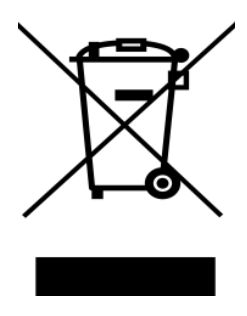
E-waste is a popular, informal name for electronic products nearing the end of their useful life. E-wastes are considered dangerous, as certain components of some electronic products contain materials that are hazardous, depending on their condition and density. The hazardous content of these materials pose a threat to human health and environment. Discarded computers, refrigerators, washing machines, televisions, VCRs, stereos, copiers, fax machines, electric lamps, cell phones, audio equipment , other Electronic Items and batteries if improperly disposed can leach lead and other substances into soil and groundwater. Many of these products can be reused, refurbished, or recycled in an environmentally sound manner so that they are less harmful to the ecosystem.
Benefits of E-waste Recycling

Conserves Natural Resources
There are many materials that can be recovered from old electronics. These materials can be used to make new products, thus reducing the need to mine for new raw materials. For instance, various metals can be recovered from computer circuit boards and other electronics, and the plastics and glass found in computer monitors and televisions can be recycled.
Creates Employment Locally
Considering that around 90 percent of electronic equipment’s are recyclable, electronics recycling can play a significant role in creating employment. This is because new firms dealing with electronics recycling will form and existing firms will look to employ more people to recover recyclable materials. This can be triggered by the increase in the demand for electronics recycling.
Supports the Community
Donating your old electronics plays an important role in the provision of refurbished products such as computers and mobile phones, which can be of great help to low-income families, schools, and not-for-profit organizations. It also helps individuals gain access to technology that they could not have otherwise forded.
Helps Protect Public Health and the Environment
Many electronics have toxic or hazardous materials such as mercury and lead, which can be harmful to the environment if disposed of in trash cans. Reusing and recycling electronics safely helps in keeping the hazardous materials from harming humans or the environment. For example, televisions and computer monitors are hazardous since they have lead in them. Printed circuit boards contain harmful materials such as cadmium, lead, mercury and chromium. Also, batteries in computers and other electronics may contain hazardous materials such as cadmium, mercury and lead. Instead of keeping old electronics in the house or dumping them in landfills, recycling or reusing them is an appropriate option that should be supported by individuals and organizations. Considering the benefits of electronics recycling, it is very important that people in various parts around the world embrace this concept.
Creates Jobs
E-waste recycling creates new jobs for professional recyclers and creates a second Market for the recycled materials.
do's & dont's
Do's
- Always look for information on the catalogue with your product for end-of-life equipment
- Ensure that only Authorized Recyclers/Dismantler handle your electronic (i.e. LED TV’s and accessories)products
- Always call at our toll-free No’s to Dispose products that have reached end-of life
- Always drop your used electronic products, batteries or any accessories when they reach the end of their life at your nearest Authorized E-Waste Collection
- Always disconnect the battery from product, and ensure any glass surface is protected against
DONT's
- Do not dismantle your electronic Products on your own
- Do not throw electronics in bins having “Do not Dispose”
- Do not give e-waste to informal and unorganized sectors like Local Scrap Dealer/ Rag
- Do not dispose your product in garbage bins along with municipal waste that ultimately reaches
E-WASTE MANAGEMENT PLAN
In developing countries like India, most E-Waste lands up in the informal sector where it is recycled without any consideration to health and environment. We, being responsible citizens contribute our share of Environmental Responsibility and aiding in taking care of our environment.
Abiding by all the pertinent laws associated with E-Waste Management, Our Company has been continuously working towards the same. Our company has partnered with M/s E-Waste Recyclers India (EWRI).
Together with M/s E-Waste Recyclers India, we have been doing its best in order to proffer environmentally sound management of electronic devices which have reached their end- of-life and to comply with the new India E-Waste Management and Handling rules in providing drop-of centers and environmentally sound management of end of life electronics.
M/s E-Waste Recyclers India has obtained authorizations from the appropriate governmental agencies for their processing facilities. EWRI will receive and recycle customer returned equipment, including all the E-Waste.
Where and how can you recycle your E-Waste?
Our E-Waste program starts with receiving E-Waste pickup request from our end customers through toll free number after which EWRI who is our Authorized Recycler collects it and transports it to the collection centre. No fee is charged from the consumer for giving the goods for recycling and there is no monetary benefit included in the Recycling Program. The sole aim is to serve the Environment by keeping it clean.
To recycle your waste electronic items, all you have to do is drop E-Waste pick up request by calling us on M/s E-Waste Recyclers India, Toll Free No. 1800 102 5679 from Monday to Friday between 10:00 AM to 5:30 PM. Also, customers can drop their E-Waste in the drop- box provided at various collection points of M/s E-Waste Recyclers India.